
Home / Training / Telephone Crisis Support
For volunteers
Telephone Crisis Support
Become an accredited Crisis Supporter and answer the calls that matter most. We're always looking for good listeners. Full training provided.
If life is in danger, call Triple Zero (000). For 24/7 crisis support, call 13 11 14.
Start at an information night
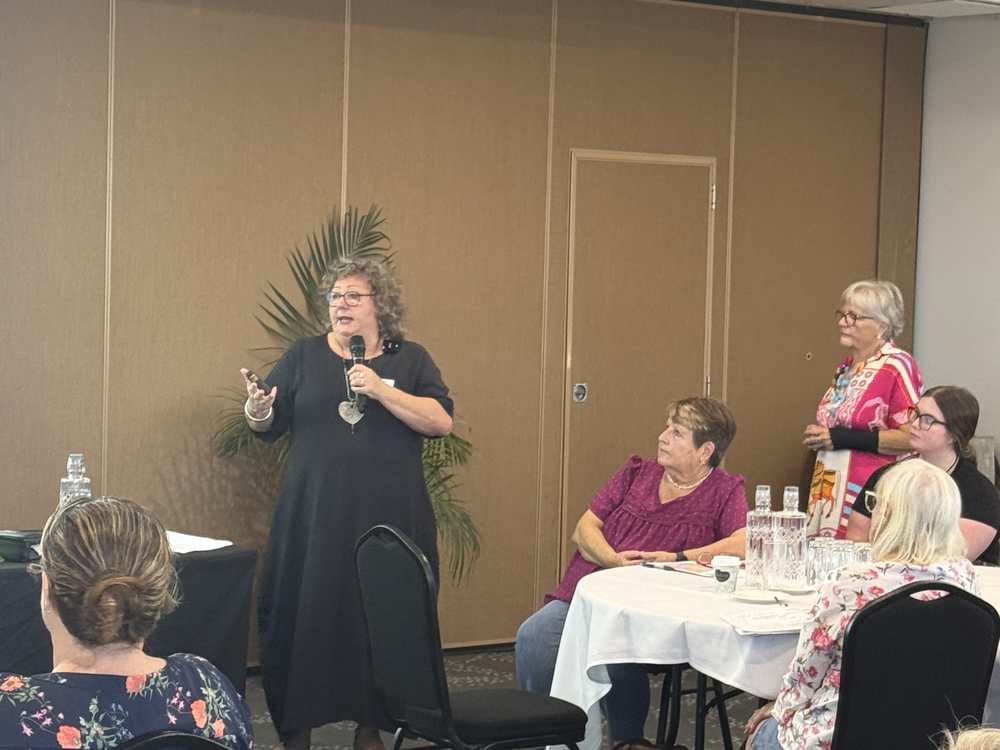
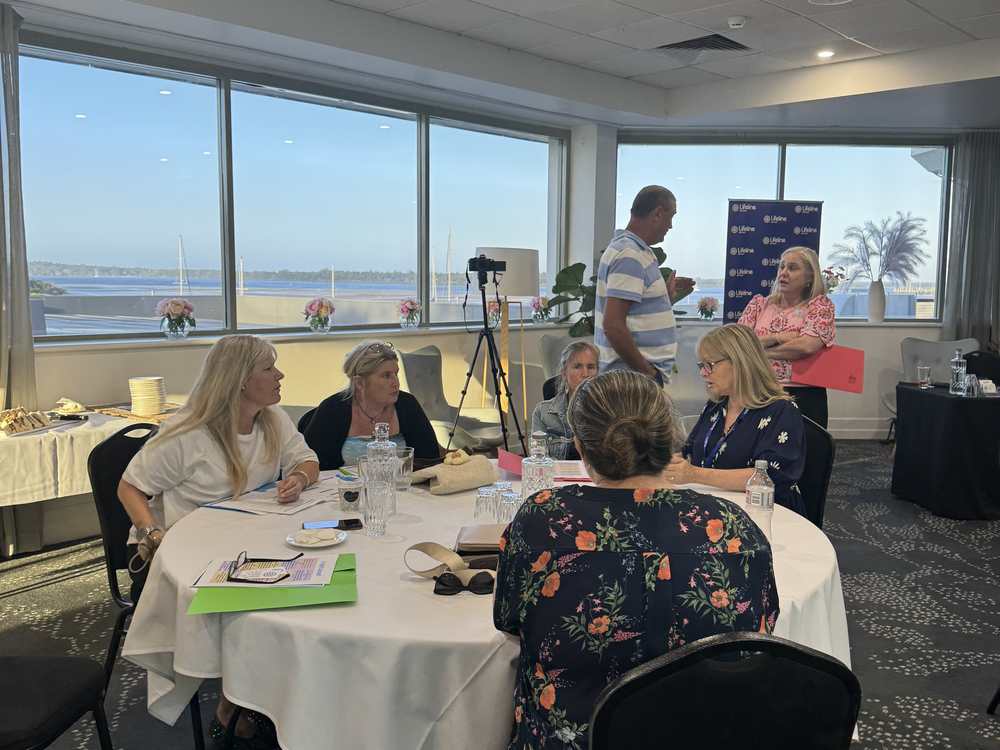
Every intake begins here. An information night is a relaxed couple of hours where we talk through the training, the commitment and what the work is really like, and you can ask anything, of people who do it. There is no obligation. Plenty of people come along, think about it, and decide it is not for them; that is a good outcome too.
See when the next one is on, or call (02) 6581 2800 and we will let you know.
Why we need you
Our 24/7 phone service is there for all Australians when they need help. We couldn’t do it without the dedication and generosity of our volunteer community.
Lifeline Mid Coast is seeking people who would like to make a difference, enhance your self-awareness, develop personally and professionally, give back to your community, and help Australians in crisis.
What a Crisis Supporter does
Train
Once accepted, you will complete training to become a qualified Crisis Supporter. The training is delivered by Lifeline and you will be supported along the way.
Respond
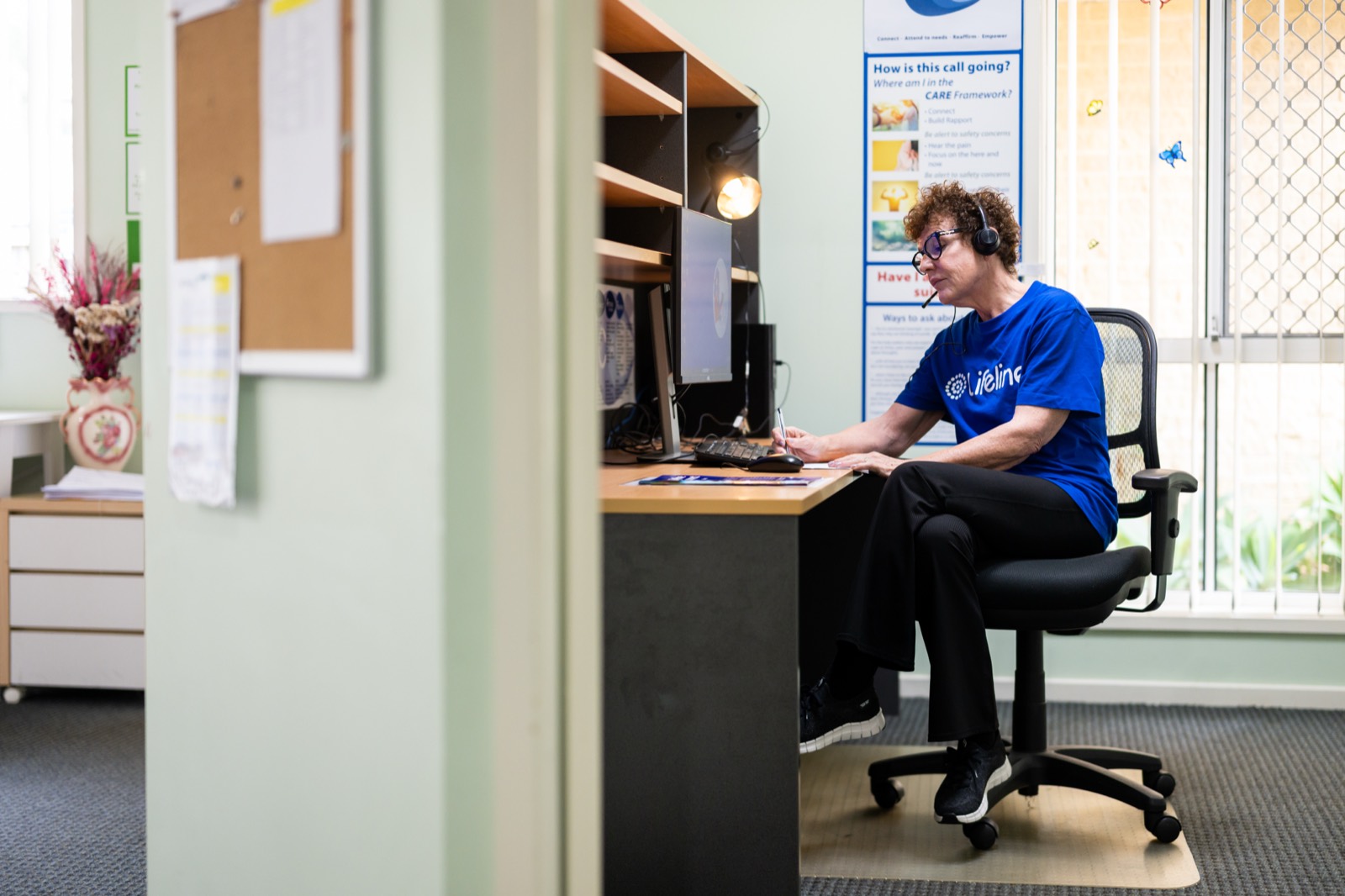
You will respond to people in need of support by phone, from your local Lifeline Centre, answering calls to the 13 11 14 crisis support line.
Listen
You will listen to what’s going on for the person who has contacted you, hear their story, and sit with their distress.
Empower
You will support the person to identify their next steps and encourage them to generate and own the action. If needed, you will create a safety plan with them. In this role you will have a real impact on the lives of the people you support.
What’s required
- Empathy, compassion and commitment
- A desire to make a positive difference
- Time and investment for your training: attendance at all training dates is compulsory to complete the course
- A minimum of 4 hours per fortnight available to volunteer once training is complete
- A police check through Fit2Work, paid for by Lifeline Mid Coast
- Transport to and from your nearest Lifeline Centre
- Basic computer skills, and access to a reliable computer and internet for the training
- A student contribution towards training costs
The training itself
Comprehensive training ensures you are qualified to offer a high standard of crisis support that keeps people safe. Lifeline Australia is a Registered Training Organisation (RTO 88036), and as a designated training site Lifeline Mid Coast complies with the National Vocational Education & Training Regulation Act 2011.
The Crisis Supporter Workplace Training (CSWT) course delivers the nationally accredited CHCSS00113 Crisis Support Skill Set, made up of three units of competency:
- CHCCCS003: Increase the safety of individuals at risk of suicide
- CHCCCS019: Recognise and respond to crisis situations
- CHCCCS028: Provide client-centred support to people in crisis
Topics also include domestic and family violence, mental health, suicide and non-suicidal self-injury.
Time commitment
- 12 months of training, starting with six weeks of face-to-face sessions, each with an e-learning component completed beforehand
- Because the course is highly subsidised, we ask for a minimum two-year commitment to Lifeline Mid Coast as a Crisis Supporter
- A minimum of 92 hours of volunteering per year for accreditation
- One four-hour shift per week is suggested to meet the 92 hours, allowing for breaks due to holidays and illness
- A minimum of 8 hours of professional development per year, provided by us
Cost
The CSWT course is heavily subsidised: its actual value is approximately $3,400. Full payment at the time of acceptance is appreciated, and payment plans and subsidies are available for prospective students experiencing financial hardship.
How to apply
Start at an information night: see the top of this page for the next one. If you would rather talk to someone first, register your interest or call (02) 6581 2800, and we’ll talk you through the next intake and send you the pre-enrolment course information.
Come to an information night
Every intake starts with an information night, where we talk through the training, the commitment and what the work is really like. No obligation. Come and ask questions.
Explore more
You might also find these helpful.